April 21, 2026
Before the Storm: Mutual Aid with Futura FieldPro
When mutual aid crews mobilize after a major storm, every minute counts. Those first few hours are too often spent getting oriented, waiting on maps, figuring out unfamiliar systems, and relying on local staff for guidance. That preparation time adds up, and cuts into valuable restoration time.
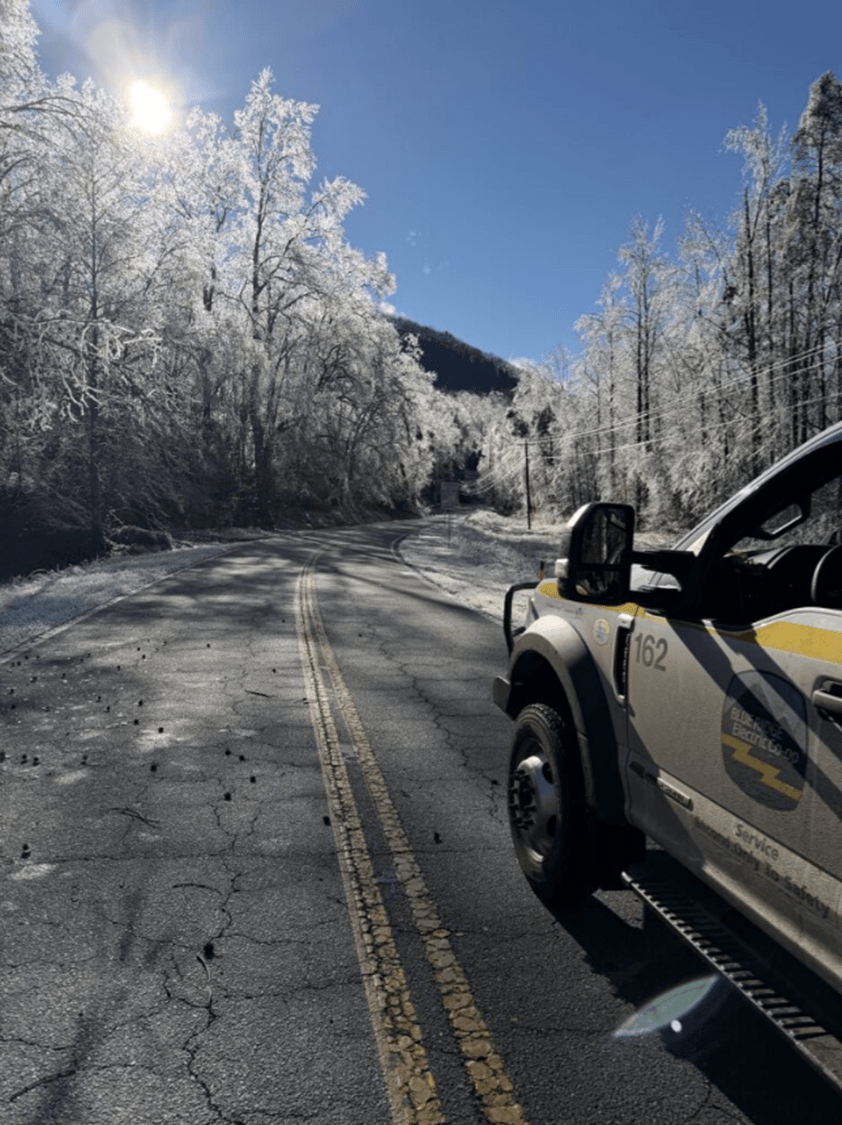
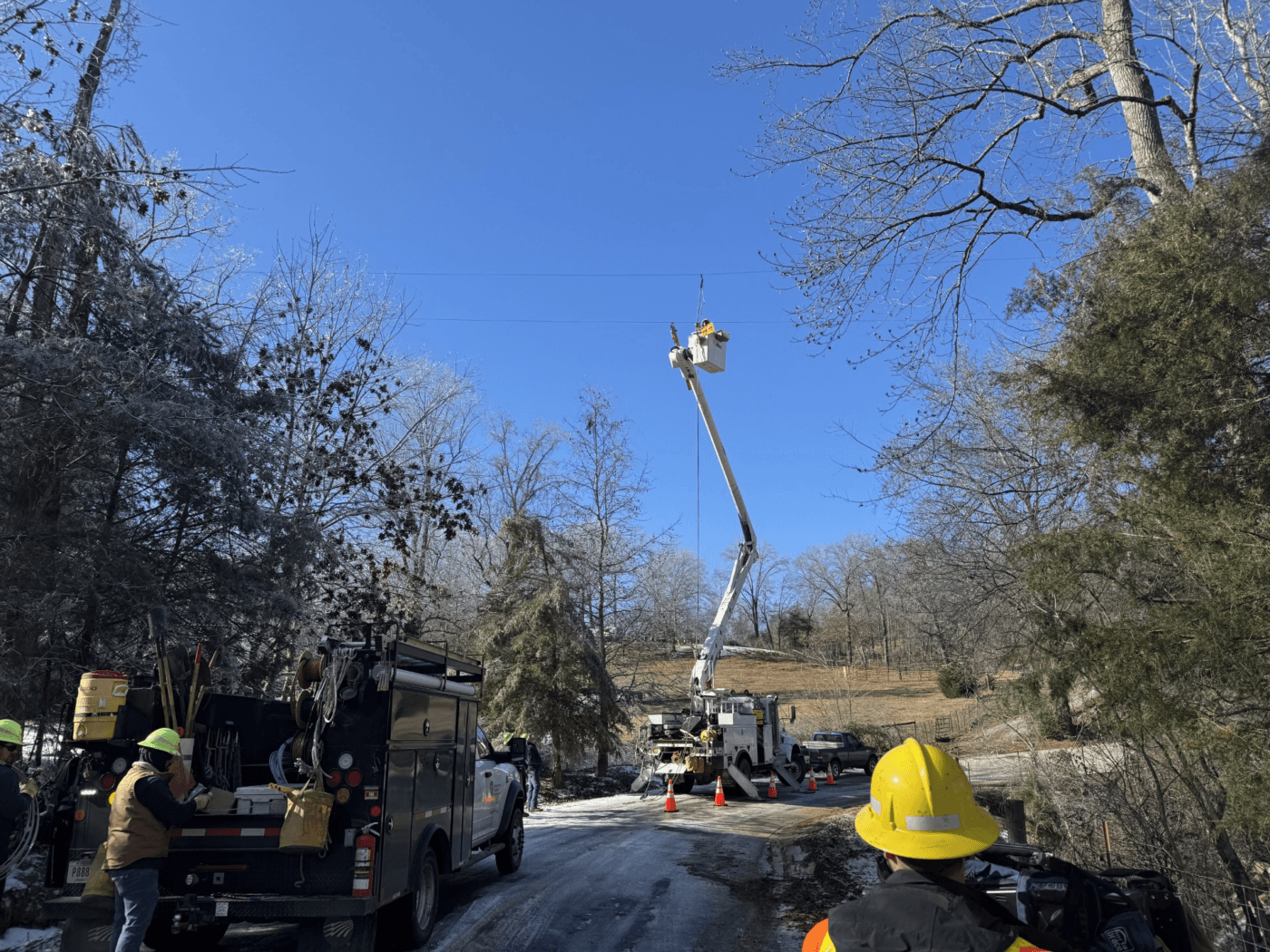
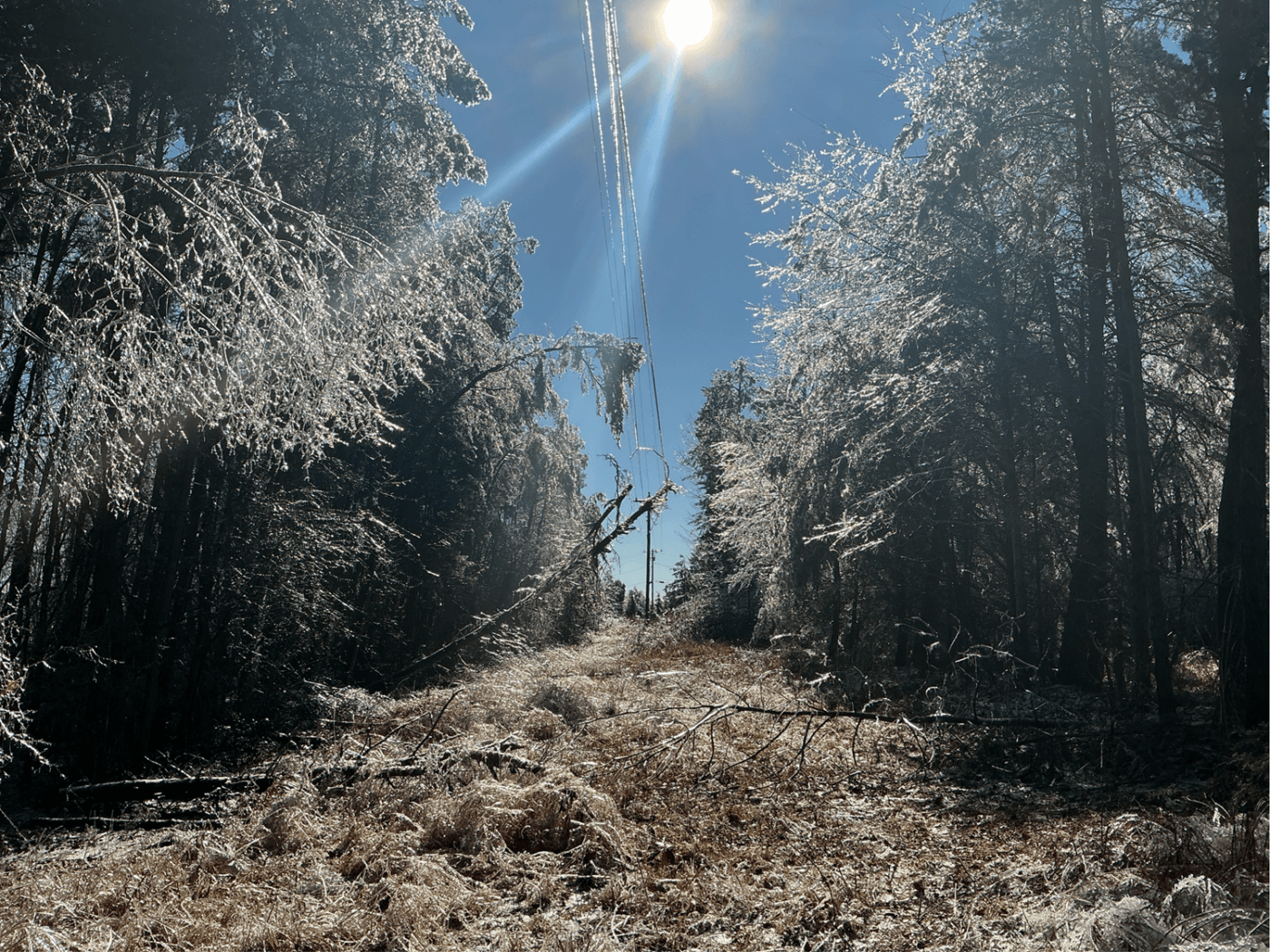
For Blue Ridge Electric Cooperative in Pickens, South Carolina, Hurricane Helene’s 2024 landfall made that reality impossible to ignore. With more than a thousand broken poles and crews coming in from across the region, restoring power depended on coordinating field teams, data, and systems so crews could move efficiently from the start. As Mapping Supervisor Dustin Ahrens explained, “Maps are a critical part of getting mutual aid crews into the system and where they need to go so they can get to work.” In practice, though, that often meant outside crews could not operate independently right away.
After Hurricane Helene, South Carolina cooperatives took a different approach. They formed a GIS committee to help remove these barriers before the next storm hit. “We saw the need to have a process in place before the storm, not trying to figure it out once crews were already on the system,” Ahrens said. The goal was clear: give mutual aid crews everything they needed to work independently the moment they arrive.
The committee chose FieldPro, Futura’s mobile field application, as the foundation of their new system. Because most of the participating co-ops were already using FieldPro, they had a shared system that crews were familiar with, and crucially, a single connected platform where mapping, inspections, and workflow data could all live. Even for crews unfamiliar with FieldPro, the barrier to entry was low, and in many cases a short walkthrough was enough to get them up and running.
“The biggest benefit of FieldPro is having everything in one place,” Ahrens said. Instead of juggling multiple systems or waiting for information to be handed off, crews can open one app, see the system, and begin working immediately. “If a mutual aid co-op was already using FieldPro, they could change their settings and download the map and inspection form before arriving on our system,” Ahrens continues.
Blue Ridge EC put this concept to the test during Winter Storm Fern in January 2026. Ahead of the storm, the team set up a DMZ environment, a secure, external access point that allowed outside crews to use the utility’s maps and data without needing full access to internal systems.
In the field, the difference was immediate. Visiting crews used GPS-based navigation to locate assets, document damage, and submit inspection data directly through FieldPro. That information flowed back quickly, giving dispatch and storm room teams near real-time visibility into conditions across the system. “As long as they had cellular service, we were seeing that data come back almost immediately,” Ahrens said. Instead of relying on constant check-ins or manual updates, teams in the office could see progress as it happened and make better decisions about where to send resources next.
Winter Storm Fern also revealed clear next steps for improving the process. Standardization proved critical, but it wasn’t complete. Differences in symbology and inspection forms still created friction, reinforcing the need for alignment across co-ops. The inspection process itself also needed refinement.
“You don’t want to collect everything up front. You want to keep it simple and streamlined,” Ahrens said. In storm conditions, that balance is essential. Crews need to capture enough information to support restoration, but not so much that data entry slows them down.
Early on, inspection data collected by mutual aid crews wasn’t always fully visible to internal teams working with different forms. That gap has since been addressed by unifying datasets, so everyone works from the same information. Relying solely on inspection points also made it difficult to manage large-scale repairs, especially when tracking broken poles across the system. That experience is now informing how co-ops are thinking about deeper integration with Futura Flex, which would allow utilities to assign, track, and confirm work orders more effectively at scale.
Even with the right systems in place, the logistics of restoration extend well beyond workflows and data. “We’re looking at this from mapping, inspections, and workflows, but there’s a lot more that goes into mutual aid. Things like housing and food for visiting crews matter just as much.” Chris Lahman, Senior Product Manager at Futura Systems, said. “We want to be part of bringing all of that together into a more complete solution.”
That perspective is shaping what comes next. The goal is to make the entire mutual aid process easier to set up, coordinate, and scale. FieldPro is a foundation, giving crews a consistent way to access the system, capture data, and stay aligned while the rest of that support structure comes together around it.
For utilities looking to strengthen their mutual aid programs, the lesson is clear: the best time to prepare is before the storm.